
6082 vs 5083 Aluminium. If you are stepping into the world of DIY, manufacturing or metalworking, walking into a metal supply shop can feel a bit like reading a foreign language. You will see numbers like 6082 and 5083 stamped onto aluminium sheets, but what do they actually mean?
Choosing the wrong type of aluminium can lead to cracked bends, rusted parts or wasted money. Don’t worry, though. Choosing between 6082 and 5083 aluminium is actually quite simple once you know what to look for.
Let us break down the differences in plain English so you can pick the perfect metal for your project.
The Basics: What Do the Numbers Mean?
In the aluminium world, those four-digit numbers are called alloys. Pure aluminium is actually quite soft. To make it stronger and more useful, scientists mix it with small amounts of other metals such as magnesium, silicon or manganese.
- 6082 Aluminium has silicon and manganese added to it. It can be heat-treated (baked at high temperatures) to make it incredibly tough. Think of it as the structural strength option.
- 5083 Aluminium has magnesium mixed in. It cannot be heat-treated, but it handles extreme, wet environments beautifully. Think of it as the rust-proof option.
Here is how they stack up when you put them to work.
1. 6082 vs 5083 Aluminium – Strength and Toughness
If your project needs to hold a lot of weight or handle heavy structural loads, 6082 is almost always the winner.
6082 Aluminium
This is often called a “structural metal.” It usually comes in a version labeled T6, which means it has been heat-treated to be as hard and strong as possible. It is perfect for high-stress items like roof trusses, cranes, and transport frames.
5083 Aluminium
While 5083 is still a strong metal, it gets its strength from being rolled and compressed during manufacturing, not from heat. It is slightly softer than 6082 T6, but it has a unique superpower: it stays incredibly strong and does not shatter in freezing, sub-zero temperatures.
2. 6082 vs 5083 Aluminium – Fighting Off Rust and Water (Corrosion)
If your project is going to get wet, sit outdoors, or handle chemicals, you need to look closely at how the metal reacts to its environment.
5083 Aluminium
This is the ultimate marine-grade aluminium. Because it contains magnesium, it loves the water. It can sit in salty seawater or harsh chemicals for years without rusting away or weakening.
6082 Aluminium
While 6082 handles normal outdoor rain and weather perfectly fine, it will start to degrade if it is constantly dunked in saltwater. It is great for land-based projects, but less ideal for boat hulls.
3. 6062 vs 5083 Aluminium – Welding Them Together
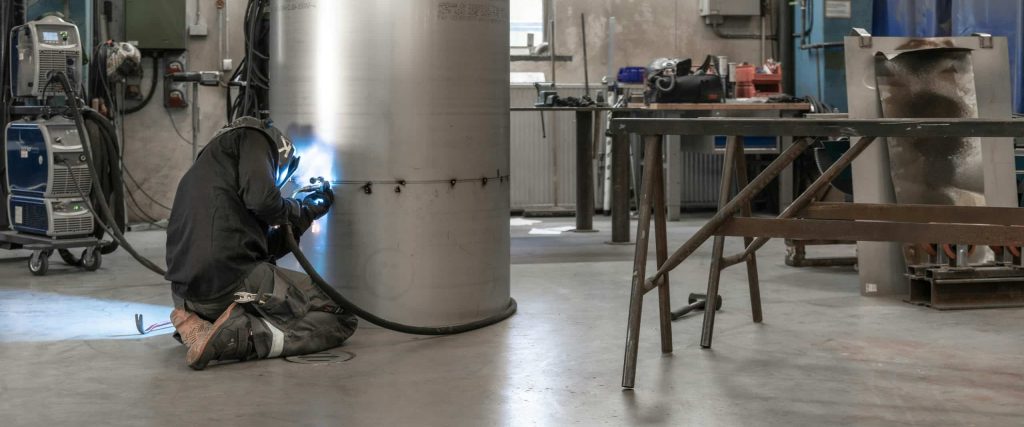
Both metals can be welded using standard workshop equipment, but they react differently after the metal cools down.
5083 Aluminium
Because this metal does not rely on heat treatment for its strength, welding it does not change its properties much. The area around the weld stays just as tough and reliable as the rest of the sheet. This makes it brilliant for welded storage tanks or ship structures.
6082 Aluminium
Because 6082 gets its strength from a precise heat-treating process, the intense heat from a welding torch can actually “undo” that hardness. The area right next to your weld will become significantly weaker unless you have the ability to heat-treat the entire finished part in a massive oven afterward.
4. 6082 vs 5083 Aluminium – Cutting and Shaping (Machinability)
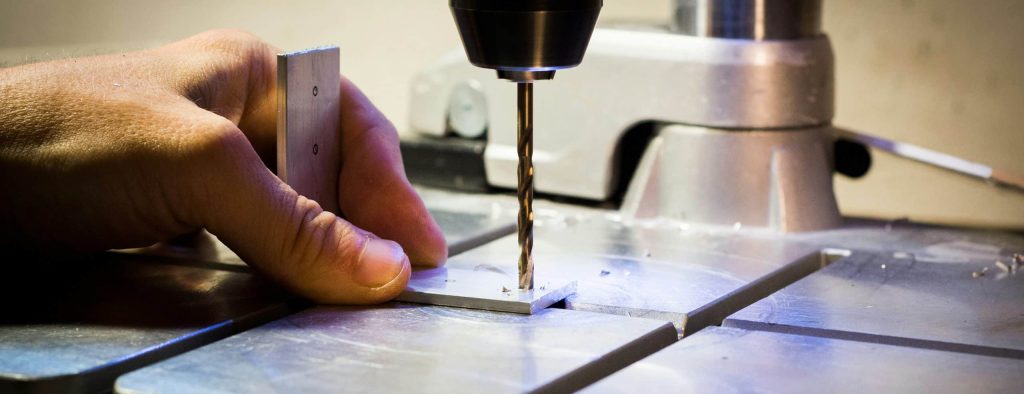
If you plan to drill, mill, or cut your aluminium sheets using a CNC machine or workshop tools, the way the metal cuts matters immensely.
6082 Aluminium
Are you primarily using a CNC mill, lathe or drill press? In its hardened T6 state, 6082 is a dream to machine. It cuts crisply, and the waste metal breaks away into neat little chips. It does not stick to your drill bits, allowing you to cut highly precise, detailed shapes.
5083 Aluminium
Are you cutting simple shapes and doing heavy welding? Choose 5083. It is highly weldable and, crucially, it keeps almost all of its mechanical strength after it has been welded.
Warning – Because 5083 is a bit more pliable, it can act a bit like chewing gum when you try to cut it at high speeds. Instead of neat chips, it creates long, stringy ribbons of metal that can wrap around your tools and clog up your machine if you do not use plenty of oil and the right speeds.
6062 vs 5083 Aluminium – The Final Verdict
| Feature | 6082 T6 | 5083 |
|---|---|---|
| Main Benefit | Highest strength of the 6000 series with excellent structural reliability | Exceptional strength among non-heat-treatable alloys and superb impact resistance |
| Best Environment | General structural engineering, construction and high-stress mechanical applications | Extreme marine environments, cryogenic (very cold) settings and chemical plants |
| Cutting with Tools | Outstanding performance because the T6 temper makes it crisp and highly machineable | Good performance but can require specific tool speeds to avoid clogging |
| After Welding | Suffers a drop in strength around the weld zone unless it undergoes a complex re-heat treatment | Retains exceptional joint strength and excellent corrosion resistance without extra treatment |
| Typical Uses | Bridges, roof trusses, transport cranes, beer barrels and structural scaffolding | Shipbuilding, pressure vessels, rail cars and heavy-duty tipper truck bodies |
| Product Link | SHOP OUR 6082 RANGE | SHOP OUR 5083 RANGE |